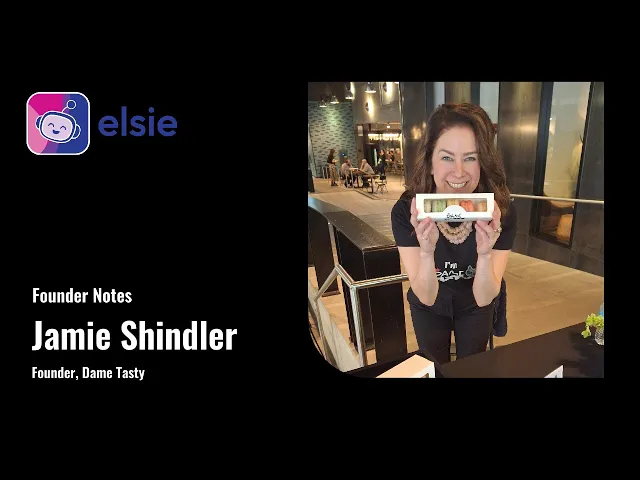

Six or seven months into launching Dame Tasty, Jamie Shindler describes the experience with one word: everything.
Jamie is the founder of Dame Tasty, a Seattle-based macaron company selling to both consumers and businesses through pop-ups and e-commerce. She is also a member of the Advisory Group for Elsie AI. Before launching a physical product, she spent more than a decade working in startups as a marketing consultant. That background shaped how she approached building Dame Tasty, even though she had no baking experience herself.
“I like a little chaos,” Jamie says with a laugh. “This wasn’t the biggest leap.”
Starting Without All the Answers
Jamie didn’t begin with a perfect plan. She started by putting her product in front of people as quickly as possible through pop-ups, asking customers direct questions and adjusting in real time.
What flavors did you like? What would you change? What price point feels right?
One early example stands out. After her first pop-up, the venue suggested offering a smaller box at a lower price point. The catch was timing. They asked the day before the next event.
“So I figured out a way to make it work,” Jamie says. “You kind of have to.”
That mindset runs through the entire business. There hasn’t been a single day that looked like the one before it, and Jamie sees that as a good thing.
“If every day was the same, it would scare me.”
Lesson for solo founders: Early on, saying yes to venues and distribution channels that deeply understand their customers can pay off. These partners often surface insights you would not find on your own, even if the timing feels uncomfortable. It’s all about experimentation.

Letting Customers Shape the Product
One of the most strategic early decisions Jamie made was choosing flavors based on what customers already loved. Instead of guessing, she looked at popular restaurant cuisines and matched dessert flavors people already recognized.
That approach led to one unexpected outcome: banana.
Multiple customers independently asked for a banana flavor, something Jamie never planned to offer. Rather than forcing a single flavor into the lineup, she reframed it into a banana split box, breaking the dessert into its components.
“The people who wanted banana got banana,” she explains. “And the people who didn’t understand banana loved the banana split.”
It’s a simple but powerful lesson. Customer feedback isn’t always about doing exactly what’s requested. It’s about understanding the underlying signal and building something better.
Lesson for solo founders: Say yes to customer feedback, even when you are skeptical. The goal is not blind execution, but learning fast and translating feedback into a solution that works for a broader audience.
The Weight of Responsibility
As a solo founder, Jamie feels a growing sense of responsibility. Customers are returning. A baker depends on the business. Expectations are real.
“There’s a little bit of weight that I hold for that,” she says.
That weight shows up in decisions around delivery and shipping. Food adds complexity. Margins are thinner. Mistakes cost more. Jamie has deliberately moved slower in areas like shipping, knowing that getting it wrong impacts real people.
Sometimes the right move is not moving fast.
Lesson for solo founders: Speed is not the same as progress. In high stakes areas of your business, moving deliberately can be the most responsible and strategic choice.
Loneliness, Wins, and Asking “How Are You?”
Jamie describes herself as an extreme extrovert, which makes solo founding especially challenging at times.
“It can be isolating,” she says. “Even the good stuff.”
She’s built a small, informal group of people she leans on for advice, quick gut checks, and celebration. Some don’t even know they’re part of the group.
When asked what question she wishes more people asked founders, her answer is simple.
“How are you? And actually wanting to know the answer.”
Lesson for solo founders: Build your support system intentionally. Founding alone does not mean you have to process decisions, wins, and setbacks alone.
Looking Forward
For Jamie, the most gratifying part of building Dame Tasty is the future. She wants to grow the business into something that can give back to the community and support causes she cares about.
“It feels like I’m in the right spot,” she says. “The moment someone gets the product, I know I’m doing what I should be doing.”
Learn more about Dame Tasty:
About Founder Notes and Elsie AI
Founder Notes is a new interview series focused on honest conversations with founders in the early and messy stages of building. We share real decisions, real tradeoffs, and real lessons, not just highlight reels.
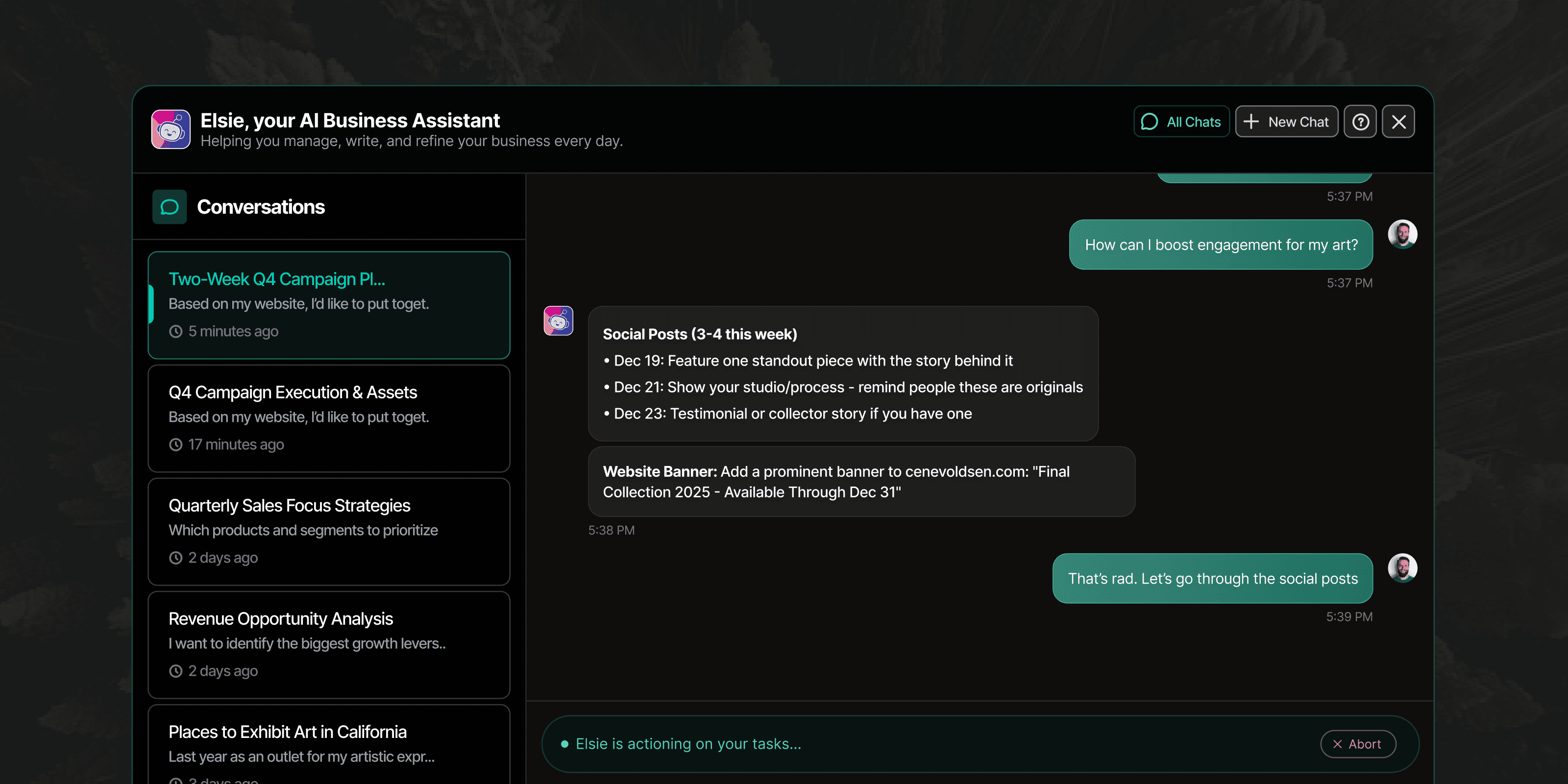
We created Founder Notes as part of Elsie AI because building a company is hard, especially when you are doing it solo. Elsie AI is designed to support e-commerce founders as a strategic business partner, helping you think through decisions, test ideas, and move forward with more clarity.
Each conversation builds on the same belief: founders do not need more generic advice. They need thoughtful support, grounded insights, and space to make better decisions as they grow.