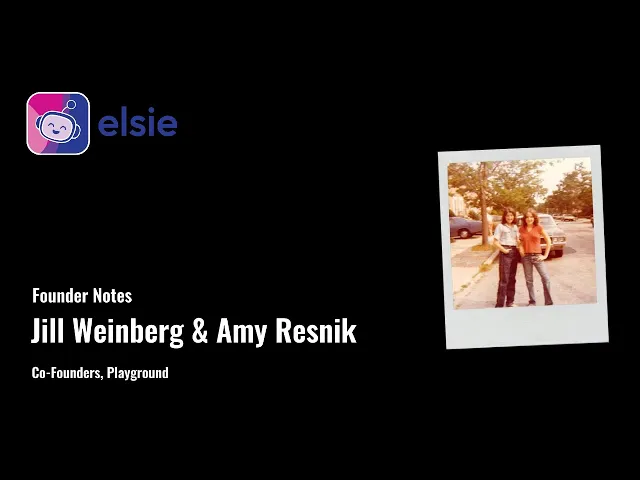

Jill and Amy have known each other since they were kids.
They met in first grade and have been best friends ever since.
Decades later, after building long careers in fashion and textiles, they finally did what they had always talked about. They built a company together.
And they started with what they knew best: fabric, fit, and the kind of print you actually want on your legs.
Playground is a print-forward activewear brand built around digitally printed, curated designs and a very real belief that leggings are not just for the gym. They are a lifestyle piece, and prints are not decoration. Prints are strategy.
“We always thought we would go into business together one day,” Amy said. “There is no Playground without one of us,” Jill continued.
Starting With Taste, Not Trends
Jill’s background was in textile design and licensing prints to big activewear buyers. Over time, she watched the same thing happen again and again: a room full of decision makers choosing prints that looked fine on a screen, then fell apart on a body.
“Nobody is going to like this on their legs,” she said. “You cannot put a big flower in a spot that it is not.”
Playground flipped that dynamic. Instead of designing for a mood board, they curate for real movement, real bodies, and real styling. The print library is deep, layered, and exclusive, which means they can build seasonal color stories that still feel like them.
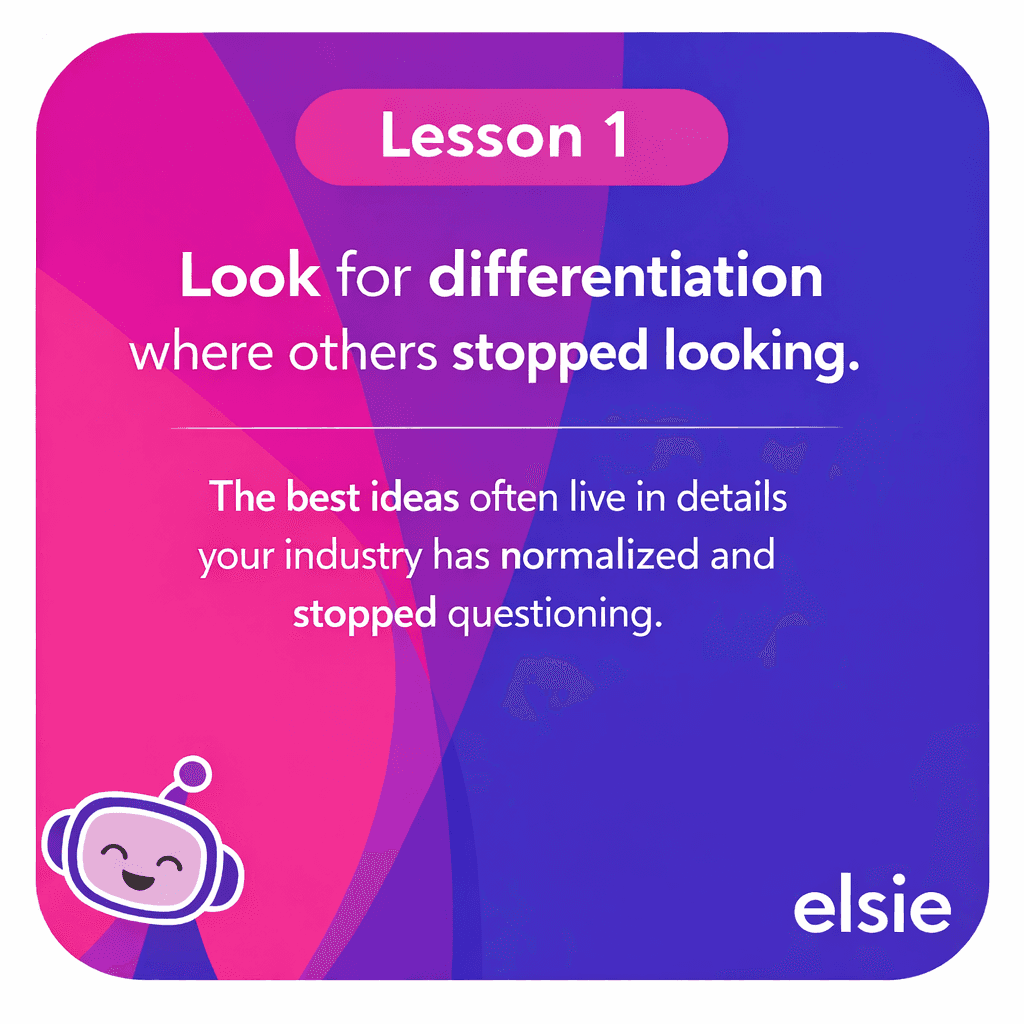
Lesson for founders: Differentiation is often hidden in the details your industry has normalized. If you have spent years watching “how it’s always done,” you probably already know what to fix.
Launching Into a Wall
Playground launched in 2019. They did an active trade show, had a strong reception, and put in orders right away.
Then COVID hit, and the wholesale world they were betting on collapsed. Orders were canceled. Boutique partners shut down. Inventory sat in their office.
They survived in part because of one standout partner: a yoga studio boutique that kept ordering and selling through the chaos. It was not glamorous growth. It was one relationship, one community, and consistent belief.
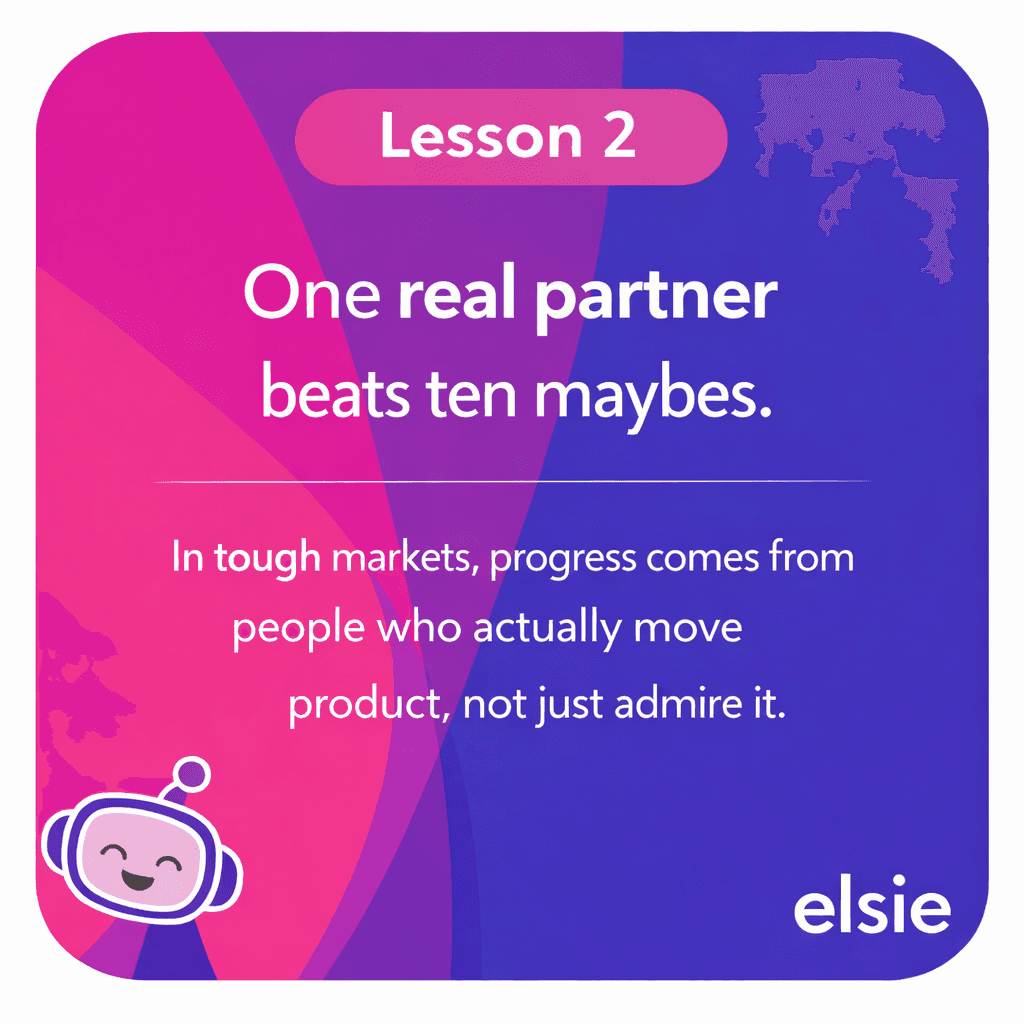
Lesson for founders: In a downturn, one true partner beats ten “maybes.” Invest in the people who actually move product, not the ones who only admire it.
The Pivot to D2C E-Commerce Was Obvious, and Still Hard
They pivoted from wholesale to direct-to-consumer because they had to.
In practice, that meant learning Shopify, learning e-commerce operations, and learning that fashion is a content business disguised as a product business.
Amy put it simply: “The amount of work it took just to get a photo up on our website was shocking.”
A physical product requires constant output: new photos, new product stories, new drops, new reasons to come back. They also learned that “just use AI” is not a real solution in fashion yet, especially if you care about aesthetics and fit.
Lesson for founders: A pivot can be the right move and still be brutal. Switching channels is not a swap, it is a rebuild of your operating system.
One Small Decision That Gets Expensive Later
Their most concrete advice was also the most unexpected: pick your domain name like you mean it.
“Do not pick your domain based on where you are today,” Jill said. “Pick it based on where you want to be five or ten years from now.”
They changed theirs while they were still small enough to do it without confusing customers, but it still triggered a cascade: new templates, new tags, new labels, new identity work, redirects, and lingering technical debt.
Lesson for founders: Branding decisions compound. If something feels off early, you will not magically love it later. Fix it when the cost is lowest.
The Social Proof Trap
Their biggest pain point is not product. It is distribution.
They are self-funded. Their customer skews 40s to 60s. Their product is premium and tactile. Their customers love the leggings, but they do not naturally feed the social machine.
“The social proof of your brand, you cannot buy it,” Jill said. “And our customers are not necessarily social media people.”
They ask for reviews. They ask for follows. Amy writes handwritten thank you notes in every shipment and still adds: “please like and follow.”
Most do not.
It is a specific kind of frustration, because the brand foundation is there: product quality, manufacturing partners, design IP, loyal repeat customers. The missing piece is reach.
Lesson for founders: If your customer does not live on social, you will feel like you are doing everything right and still failing the algorithm. That is not a character flaw. It is a channel mismatch you have to design around.
Old School Still Works
When asked what actually drives sales, Jill and Amy did not say ads, influencers, or funnels. They said in-person events.
Pop-ups. Charity events. Pilates studios. A friend hosting a trunk show in her apartment. Places where customers can touch the fabric, see the print on their own body, and feel confident.
“With prints, you have to try it on,” Jill said. “Women are picky about how the print falls on their legs.”
They also shared something quietly important: prints are not only a style choice, they are a confidence product. Many customers avoid solids because of body self-judgment. Prints help them like what they see in the mirror.
Lesson for founders: If your product requires tactile trust, prioritize channels where trust is built instantly. IRL complements online.
Co-Founding Without the Drama
Their partnership is unusually calm. They overlap heavily. They do not fight about decisions. If they disagree, they move on fast.
“It’s not worth it,” Amy said. “Nothing matters that much,” Jill agreed.
That mindset is not avoidance. It is perspective, built over decades of friendship and life experience.
Lesson for founders: Alignment is not about never disagreeing. It is about knowing what is worth friction and what is not. Most things are not.
Looking Forward
Jill and Amy are clear-eyed about what they need next: a push over the edge.
They have tested influencer gifting and it has not worked. They believe a true partner influencer would need real skin in the game, not a one-off post. They also suspect retail, even small-scale, could change everything. A storefront, a kiosk, a consistent physical presence.
They have also heard the same advice repeatedly: get on camera, tell your story, show up daily. They are not convinced that has to mean showing their faces. They are curious about “faceless” formats where they can narrate over product, process, and real-life moments.
Their story is strong. The question is how they want to tell it.
Lesson for founders: You do not need to copy the internet’s idea of a founder. You need a repeatable format you can sustain.
About Founder Notes and Elsie AI
Founder Notes is a new interview series focused on honest conversations with founders in the early and messy stages of building. We share real decisions, real tradeoffs, and real lessons, not just highlight reels.
We created Founder Notes as part of Elsie AI because building a company is hard, especially when you are doing it solo. Elsie AI is designed to support e-commerce founders as a strategic business partner, helping you think through decisions, test ideas, and move forward with more clarity.
Each conversation builds on the same belief: founders do not need more generic advice. They need thoughtful support, grounded insights, and space to make better decisions as they grow.